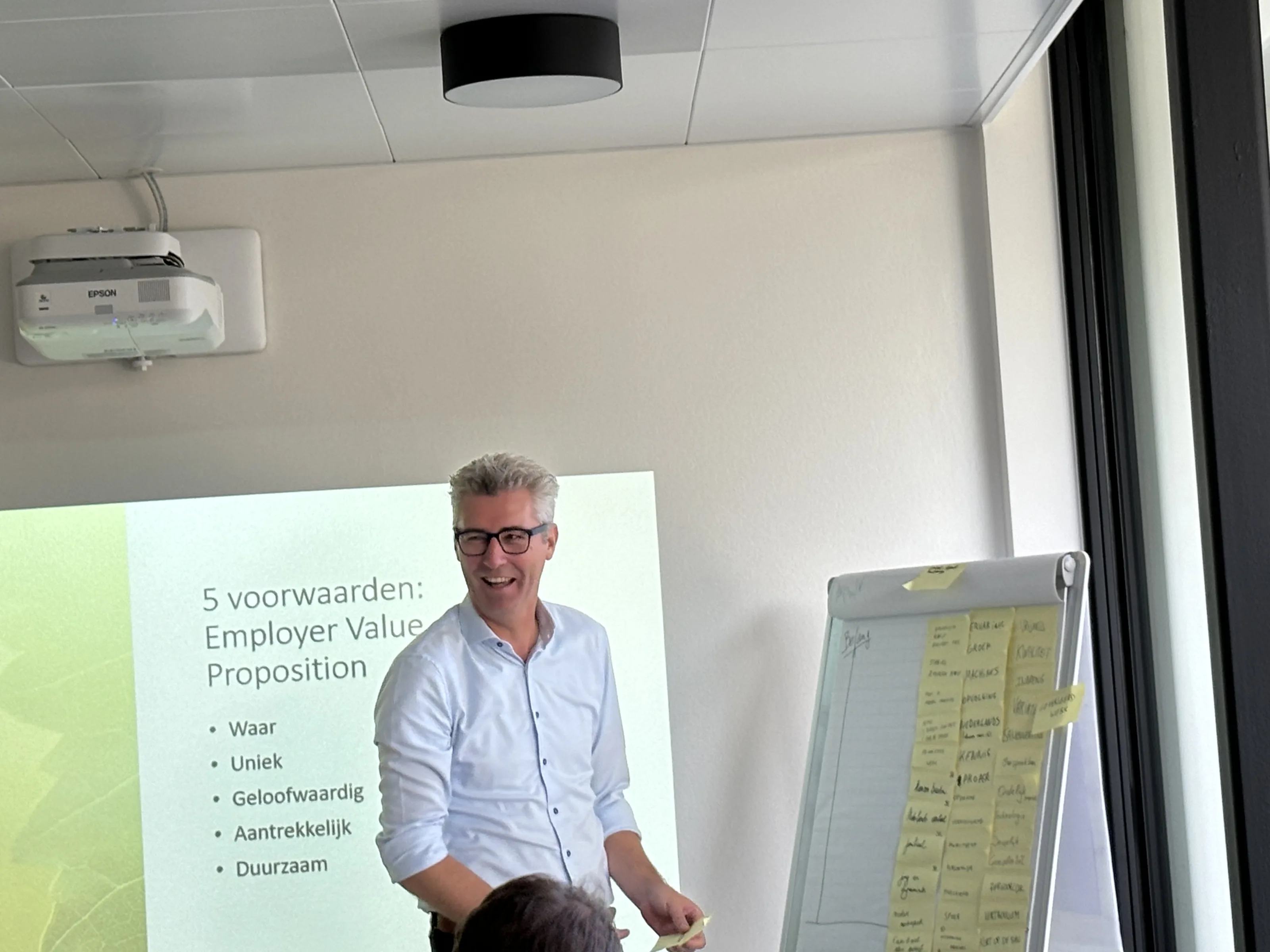
Change management doesn't fail on the plan.
It fails on who wasn't allowed to decide.
Support through one concrete change, from reorganisation to merger or integration, so that it lands on the shop floor. We establish who carries it, where the resistance sits and who may decide what during the transition.
Book a conversationFour moments when it stalls.
A change programme is rarely called off officially. It stalls, and every time for the same reason, one that rarely appears in the project plan: during the change, nobody is allowed to decide anything.
The announcement has been made, the slides have been shown, and then it went quiet.
Silence is not agreement. It is the sound of people waiting to see who gets called back first.
Your managers defend the change in the meeting room and play it down in the corridor.
They were handed the decision, not part of making it. Whoever had no mandate in the design can't carry it in the execution.
The project plan is on schedule, but nothing has changed on the shop floor.
The milestones measure your own activity. They don't measure whether anyone has started working differently.
Six months after the reorganisation, the old meeting habits have quietly returned.
Behaviour falls back on whatever works fastest. As long as the new way is slower, the old one always wins.
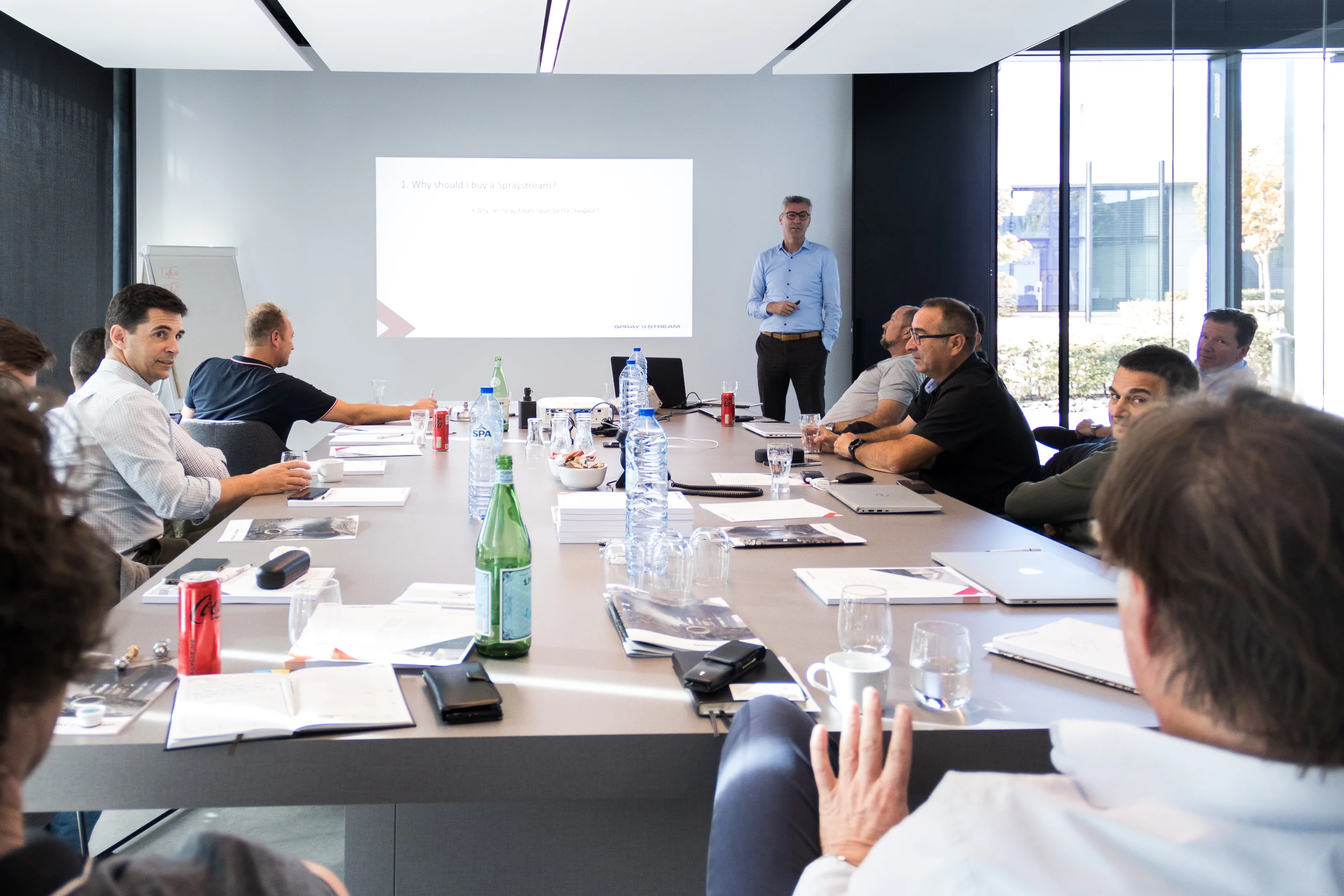
People rarely resist the change itself. They resist a change in which they have nothing to decide.
That is the difference between going along and being an owner. So in every phase of the programme we build in a decision that lies with the people themselves: not about whether the change goes ahead, but about how it is carried out in their area. That takes time at the start. At the end it saves half the programme, because you no longer have to convince anyone of something they came up with themselves.
Starting too late is
the most expensive option.
If you only start once the damage is visible, you are steering a change that is already under pressure. Under pressure every decision moves up the line, and that is exactly when nobody in the line has a mandate any more.
Start with the Ownership Scanorganisations admit culture and change programmes start too late
The problem is only tackled once turnover and absence are already visible.
HRmagazine.be, Belgian CHRO survey
Resistance to change is your best report.
It tells you for free what consultants would otherwise report after six months: which part of the plan can't be carried out in practice. These are the four sentences we hear most often, and what we say in reply.
Book a conversation“Our people are tired of change.”
Change fatigue is usually decision fatigue. They have built something three times that someone else then reversed, and they have learned to wait.
“The decision has been made. There's nothing left to discuss.”
Not about the what, but about the how. That is exactly where ownership belongs, and there the conversation is still wide open.
“Resistance to change just comes with the territory.”
It comes with it, but not as noise. It points to who was given nothing to decide during the transition. Whoever manages it away throws out their best source of information.
“We already have a communication plan.”
Communication explains what is going to happen. It changes nothing about who may decide during the reorganisation, and that is what your people really want to know.
Four steps, and the second is usually skipped.
Diagnosis, support and embedding appear in every change management offer. The step in between rarely does, and that is exactly where it gets stuck. That is why we show it filled in on the page.
Diagnosis
Where the organisation really stands, regardless of the project plan. We measure per team who is carrying the change, who is waiting, and exactly where the resistance to change comes from.
Assigning mandate
The step missing from almost every change programme. We set out who may decide what during the change, up to which limit, and who hears about it afterwards. Without that agreement every doubt moves up the line and execution stalls until leadership has time.
Support in the line
Sessions with teams and one-to-one coaching for the managers who have to carry the change every day. Built around the decisions the transition demands that week.
Embedding
Once the transition is behind you, we repeat the measurement from the diagnosis. Only then do you see whether the change has stuck or was merely carried out.
When reorganisation support pays off.
Not every change calls for a change programme. If it is an operational change that doesn't require anyone to work differently, you need a project manager. If you want to shift the everyday culture itself, apart from one concrete change, culture change is the better way in.
Organisations in the middle of a restructuring or the introduction of a new system
Leadership teams that want the change not just executed but owned
HR and change leaders looking for reorganisation support with a measurable framework
Companies that have to land an integration after a merger or acquisition
One concrete change
Depends on the change
Leadership, line and teams
Mandate during the transition
Has your change programme stalled?
Tell us where it got stuck. Usually it traces back to one decision that was never assigned to anyone.